


TaylorMade
TaylorMade · Tour
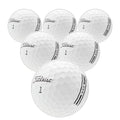
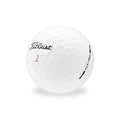
TaylorMade TP5
$2.58 a ball · new is $4.83 a ball ($57.99 a dozen)
- Triple-Inspected: Graded by hand, zero cosmetic surprises
- Save 46–60%: vs. new, on the exact same ball (by grade)
Condition
Like-new appearance. Minimal marks, no scuffs. May carry a printed company or event logo. Never refinished — always the original ball.
Visible cosmetic wear. Plays close to new. May include the occasional refurbished ball — part of why it costs less.
How many
How often
Cancel or skip any time
Delivery frequency
Free shipping on deliveries over $99; under that, shipping is charged on each delivery. Discount codes don't stack with subscriptions — your Subscribe & Save discount applies to every delivery instead.
Couldn't load pickup availability
- In stock, ships next business day
- Free shipping over $99
- 30-day returns
 Buy more, pay less per ball
Five dozen drops it to $2.17 a ball
You’re paying $2.58 a ball here —
save $0.41 a ball on the 60-ball pack

Standard — Usually 3–5 Business Days

Priority — 2–3 Days, At Checkout

Real People, Fast Email Replies
Grade B (Near Mint) – Visible cosmetic wear. Plays close to new. May include the occasional refurbished ball, which won't play exactly like the original — part of why Grade B costs less.
One dozen TaylorMade TP5 golf balls. Five-layer construction with a soft cast urethane cover — more layers than almost anything else on the market, each tuned to respond at a different swing speed.
Who plays it
The five-layer design is built so the ball behaves differently depending on how hard it is struck: soft and high-spinning on a wedge, progressively firmer and faster as clubhead speed climbs toward the driver. In practice that means high greenside spin without paying for it with a ballooning tee shot.
The TP5 is the softer of the pair. If you value feel around the greens and a mid-flight trajectory, this is the one. Players chasing extra carry and a higher launch usually prefer the TP5x.
How this ball wears
Cast urethane is the softest cover material in common use, and the TP5's is no exception. It grips the clubface, and it also picks up marks from cart paths, bunker rakes and tree bark more readily than a harder cover would.
None of that reaches the four layers beneath it. A scuffed TP5 is still a five-layer tour ball.
Grade A or Grade B
Grade A presents as new. Grade B has visible cosmetic marking — and given how readily this cover shows wear, Grade B TP5s often look more used than a Grade B ionomer ball at the same grade. That wear costs very little in flight.
What it costs to play
$2.58 a ball in Grade A, $1.92 in Grade B. For a five-layer urethane tour ball, the Grade B figure is the interesting one.
The five-dozen pack takes it to $1.63 a ball.
Choose Grade A and the ball has only ever been recovered, washed and graded — no stripped covers, no reapplied stamps. Grade B runs cheaper partly because it may include a refurbished ball. Here's why that matters.


Got Questions?

