




Titleist
Titleist · Tour
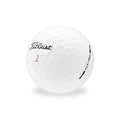
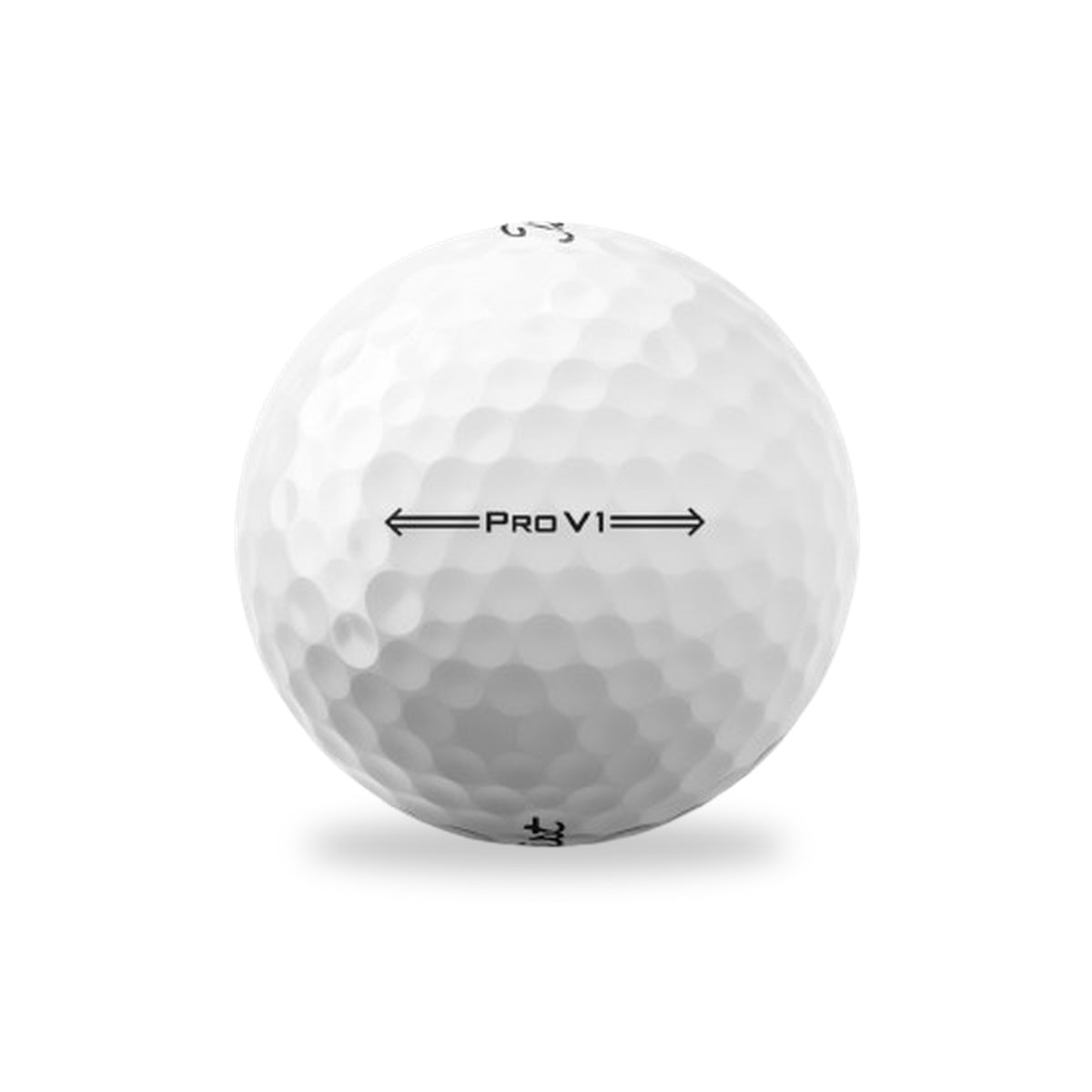
Titleist Pro V1 (2021-2022)
$1.67 a ball
- Triple-Inspected: Graded by hand, zero cosmetic surprises
Condition
Like-new appearance. Minimal marks, no scuffs. May carry a printed company or event logo. Never refinished — always the original ball.
Visible cosmetic wear. Plays close to new. May include the occasional refurbished ball — part of why it costs less.
How many
How often
Cancel or skip any time
Delivery frequency
Free shipping on deliveries over $99; under that, shipping is charged on each delivery. Discount codes don't stack with subscriptions — your Subscribe & Save discount applies to every delivery instead.
Couldn't load pickup availability
- In stock, ships next business day
- Free shipping over $99
- 30-day returns
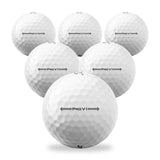 Buy more, pay less per ball
Five dozen drops it to $1.80 a ball
You’re paying $2.08 a ball here —
save $0.28 a ball on the 60-ball pack
More ways to play the Pro V1

Standard — Usually 3–5 Business Days

Priority — 2–3 Days, At Checkout

Real People, Fast Email Replies
Grade B (Near Mint) – Visible cosmetic wear. Plays close to new. May include the occasional refurbished ball, which won't play exactly like the original — part of why Grade B costs less.
One dozen Titleist Pro V1 golf balls, model years 2021–2022. Three-piece cast urethane construction — an earlier generation of the most-played ball in professional golf, two releases behind the 2025 model.
Who plays it
Titleist works on a two-year model cycle, and the changes between generations are refinements rather than reinventions. The 2021–2022 Pro V1 is the same three-piece urethane formula, the same design intent, and the same ball that won tournaments in those seasons.
It suits the same player the current model does — enough clubhead speed to compress a tour ball, and a preference for a penetrating flight with high greenside spin. The difference between this and the current generation is four model years, and a materially lower price.
How this ball wears
Urethane behaves the same regardless of model year: soft enough to grip a wedge face, and soft enough to record a cart path. These balls have had longer in circulation than the current generation, so expect the grading to be doing real work here.
Age does not degrade a modern golf ball in storage in any way you would notice. A 2021 Pro V1 that has been sitting in a bucket flies like a 2021 Pro V1.
Grade A or Grade B
Grade A is clean and sharply stamped. Grade B shows the cosmetic wear this cover picks up. Both are genuine Pro V1s with the original cover and dimple geometry intact.
What it costs to play
$2.08 a ball in Grade A, $1.67 in Grade B — a tour ball for less than the price of a sleeve of new ones.
The five-dozen pack brings it down to $1.25 a ball, which is the lowest per-ball price on a Pro V1 anywhere in the shop.
A prior-generation ball is where a reapplied stamp does the most mischief — Grade A here is never resurfaced, so the year on the box is the year in your hand. A Grade B dozen can hold the odd refurb. How to spot the signs.

Got Questions?

